
OEM Korea Partnership

Korea-Market Partnership for Overseas OEMs
Turning strong technology into executable Korean programs
GBI qualifies credible opportunities, protects the OEM’s technology and channel,
and runs Korean specification work, tendering, contracting, localization, delivery and MRO through to follow-on business.
Why GBI
More than contacts or tender notices: judgment, protection and execution
Developing the Korean market takes customer education, requirements interpretation, specification engagement, technical evidence, tendering and contracting, delivery and sustainment. GBI manages the whole process as a long-term partnership.
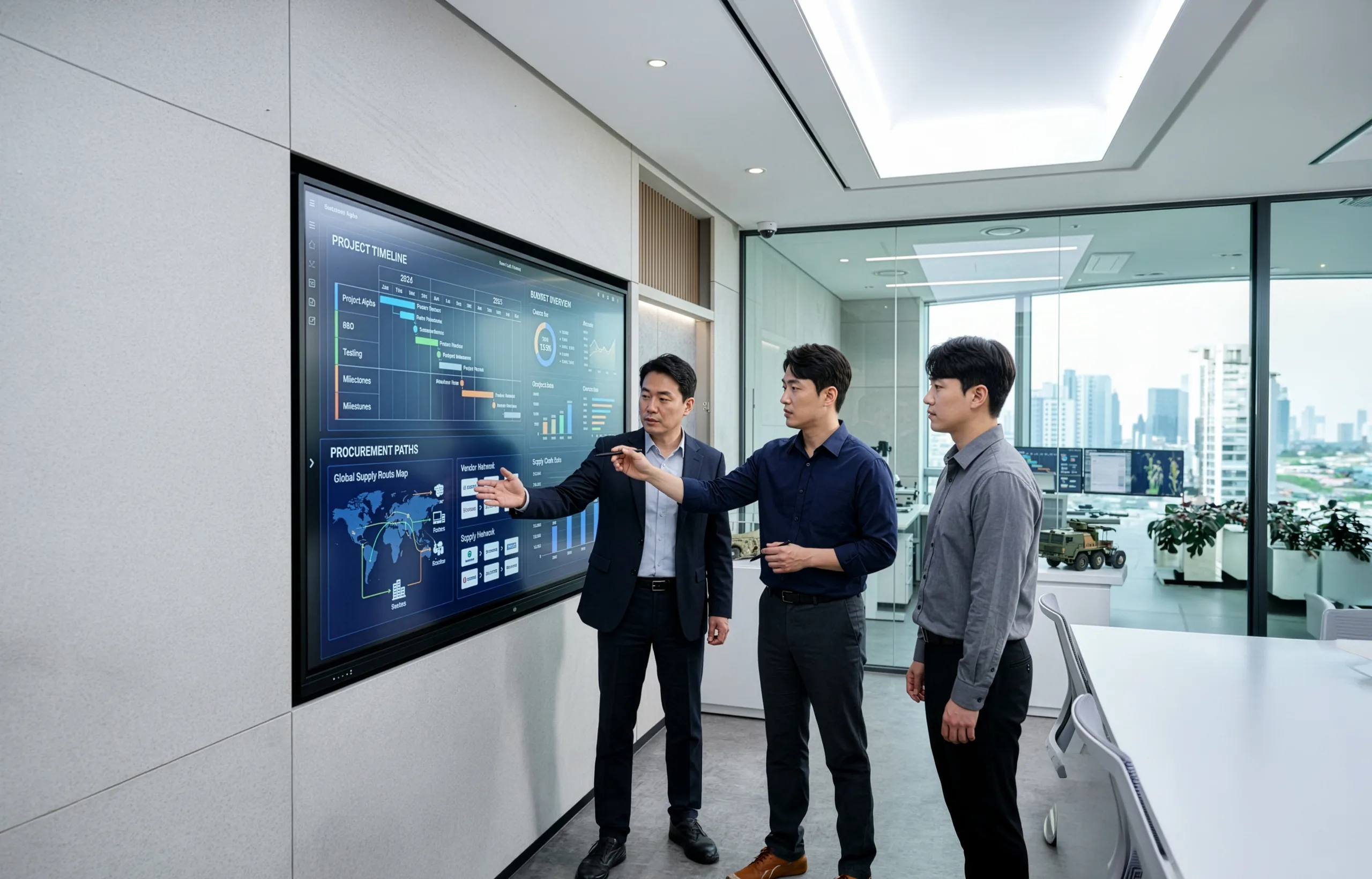
Qualified Opportunity
Before any resources are committed, GBI checks the customer, mission, procurement route,
timing, budget, competition, channel and export availability.
Channel & Information Protection
GBI checks existing Korean relationships first, then discloses technical and commercial
information in controlled steps as the program advances.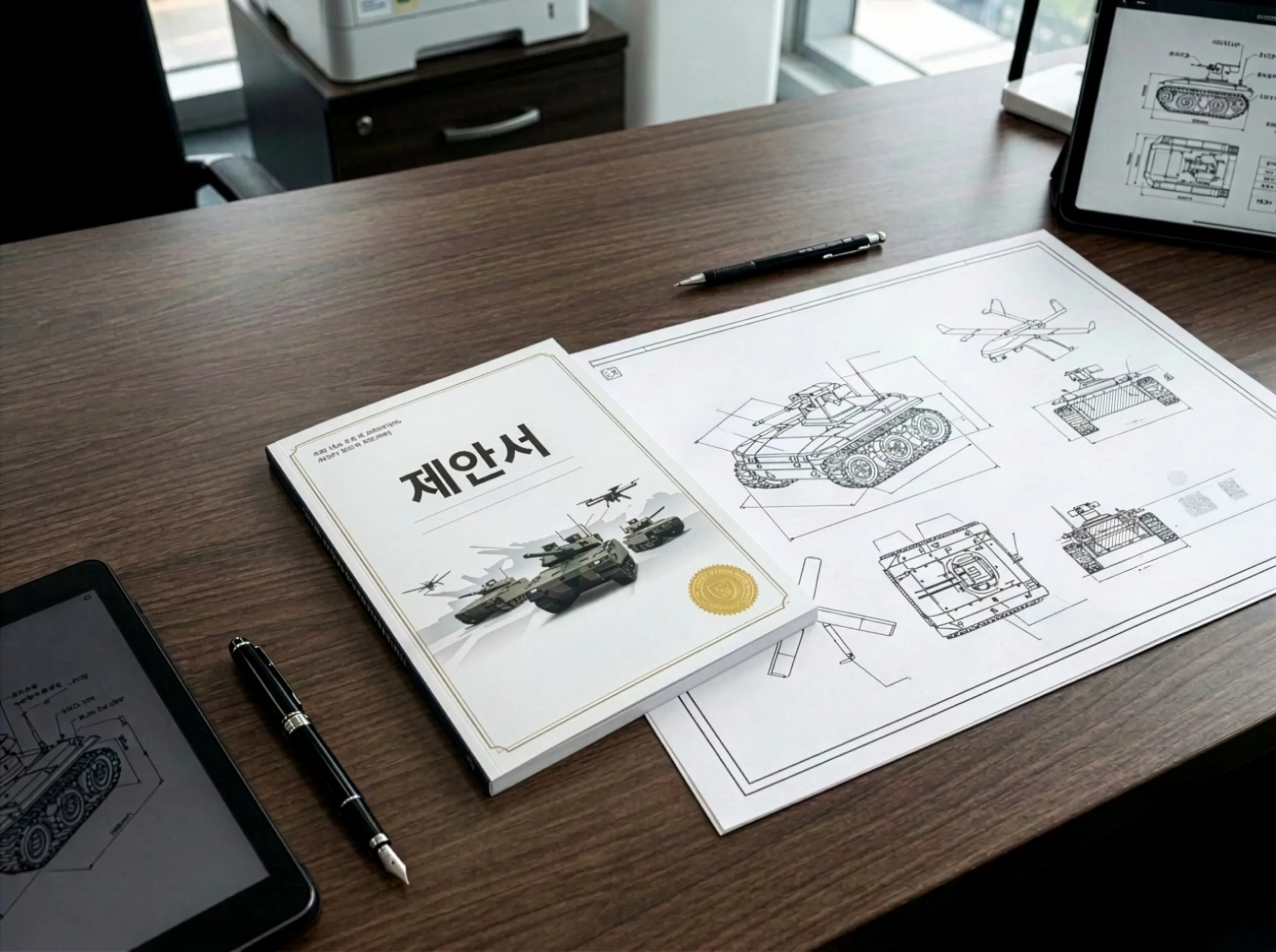
Korean Technical & Bid Documents
GBI prepares and controls the Requirement Summary, Compliance Matrix, evidence list,
Korean proposal and submission documents.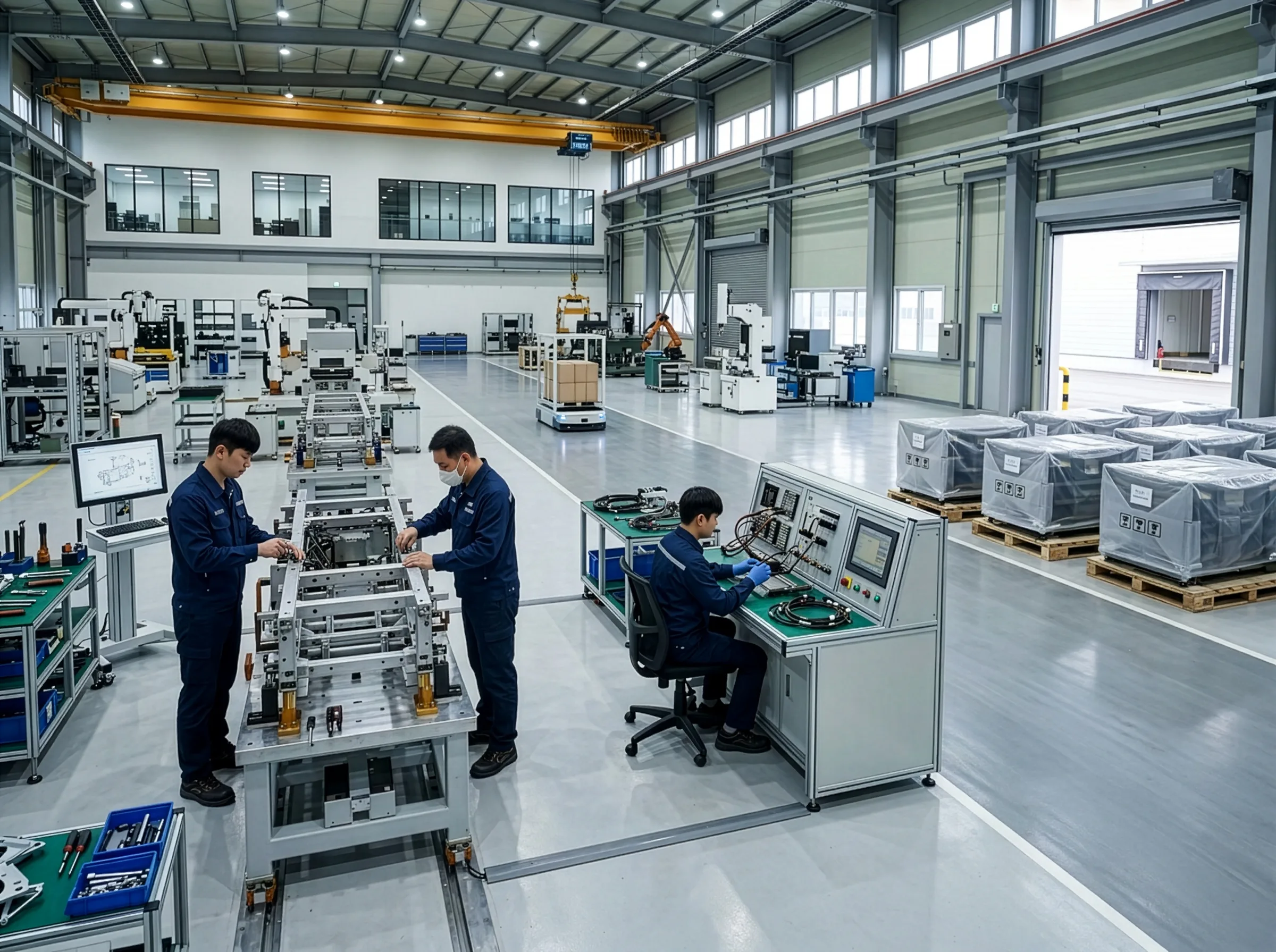
In-Country Execution & Continuity
GBI links customer engagement, demonstrations and tests, contract, delivery,
fabrication and integration in Korea, installation, warranty, MRO and follow-on demand.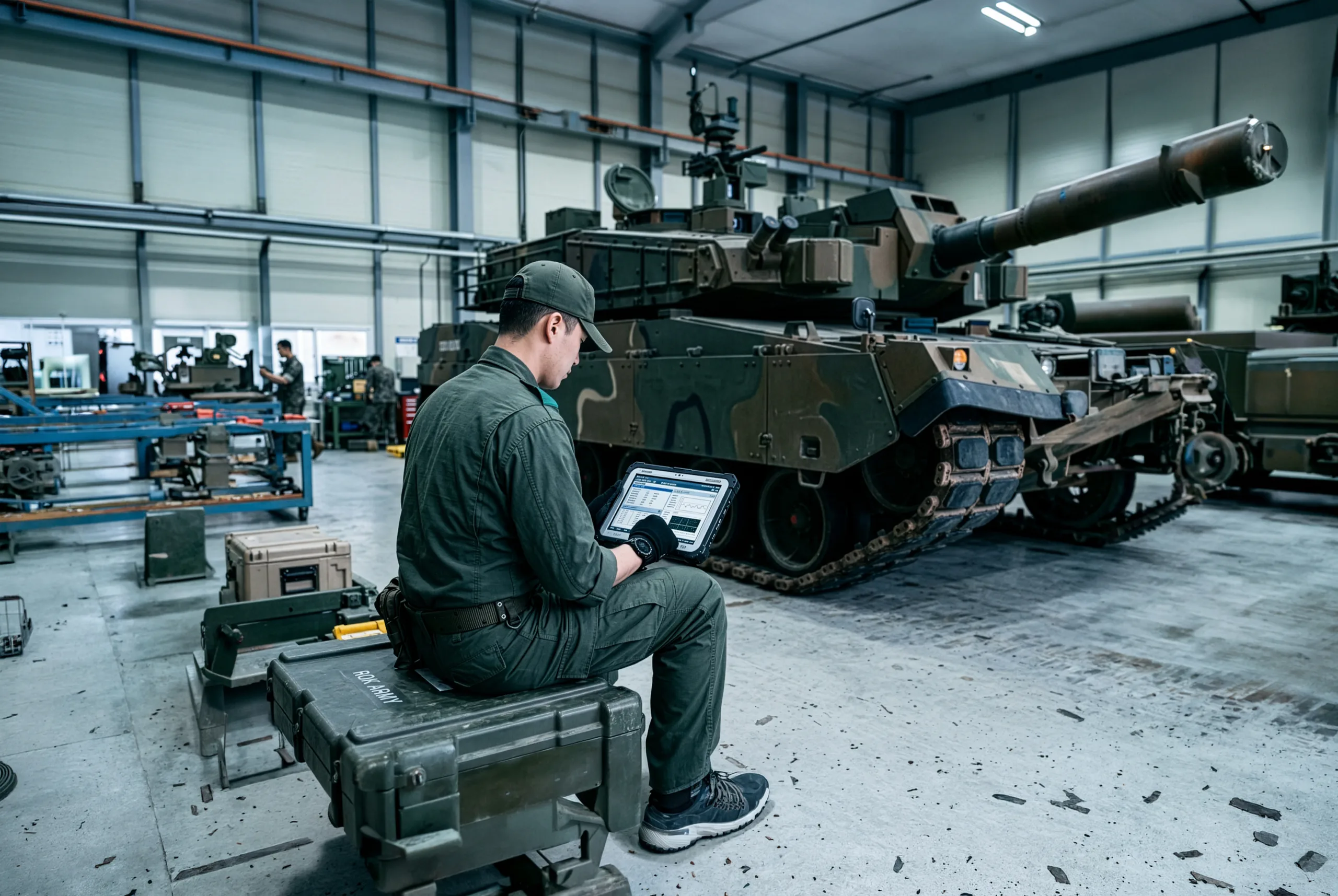
Follow-On Business
Operational feedback and maintenance history shape the next program and upgrade proposals.
How We Work
A clear decision, document, owner and next action at every stage
GBI does not pursue every product. It first confirms Korean-market fit and program feasibility, then concentrates effort where a credible path exists.
- 1
Opportunity Fit
Customer, mission, budget, timing, competition, procurement route, export and channel
Opportunity Brief - 2
OEM & Product Qualification
Legal entity, exact configuration, production, warranty, export and Korea cooperation terms
OEM Qualification - 3
Requirements Mapping
Korean requirements, compliance, evidence, equivalency and gap actions
Technical Matrix - 4
Customer & Tender
Spec comments, technical engagement, demonstrations and tests, Korean proposal and contract
Bid & Engagement File - 5
Delivery & Growth
FAT, logistics, installation, training, warranty, spares, MRO and the next program
Lifecycle Growth Plan
Roles & Responsibilities
The OEM retains technical authority; GBI owns Korea-side execution
Technical, commercial, procurement and support roles are agreed early to prevent gaps and ambiguous expectations.

Authority for Product,
Engineering & Production
Exact product, configuration, performance limits and modification scope. Approval of tests, certifications, references and evidence. Decisions on price, production, lead time, warranty, spares and technical support. Export-control and controlled-data release decisions.
Accountability for Korean
Customers, Procurement, Tender, Localization & Support
Korean requirements, procurement route, competition and schedule analysis. Authorized customer engagement, questions, spec comments, demonstrations and tests. Korean proposal, tender, contract, inspection and delivery documents. Fabrication and integration in Korea, installation, training, warranty, MRO and follow-on business.

Partnership Protection
A practical structure that protects
the OEM’s investment in the Korean market
Where full exclusivity is not initially possible, GBI seeks practical alternatives such as project-specific cooperation, opportunity registration, protection of GBI-originated programs and staged disclosure.
Channel Check First
GBI checks existing Korean partners, exclusive or non-exclusive arrangements, and distribution and project conflicts early.
Staged Disclosure
Until cooperation intent and channel status are confirmed, GBI shares only the minimum information needed.
Protecting GBI-Originated & Follow-On Programs
GBI documents the cooperation so that programs built through its market education and specification engagement are not diverted to another channel.
What the OEM Receives
Working outputs for decisions and execution
Outputs are released progressively according to program stage, NDA and agreed cooperation scope.
- 1
Opportunity Brief
Customer, status, procurement route, timing, competition, budget and channel risk
- 2
Requirement Summary
Accurate technical summary of Korean specifications and operating requirements
- 3
Compliance Matrix
Requirement-by-requirement compliance, gaps, changes, evidence and references
- 4
Stakeholder Map
Official users, evaluators, procurement, logistics and MRO organizations, and engagement paths
- 5
Bid Checklist & Action Log
Submission items, owners, deadlines, questions, actions and open points
- 6
Delivery & Support Plan
FAT, logistics, inspection, installation, training, warranty, spares and MRO
How to Start
A disciplined start, a long-term partnership
Send one target product or a full portfolio, and GBI will qualify the Korean program route before asking for major engineering effort or controlled data.
GBI does not provide personal contacts of serving military or government officials as commercial references. Once the program and cooperation structure are qualified, GBI coordinates technical engagement, briefings, demonstrations and follow-up through authorized official channels.



Start with one or two products
and validate their fit for Korea
GBI will propose a realistic cooperation path based on the exact configuration, technical evidence, export status, existing Korean channel, price, lead time, warranty and support plan.